
Deciding between a permanent pier and a buoyant platform is the biggest choice we make for any waterfront property. Here in Southwest Florida, the local tides and canal systems really dictate which engineering style actually keeps your boat safe. When we look at the shoreline, the whole debate usually comes down to stability versus adaptability.
Floating Docks are constructed in such a way that they move with the water. Floating docks do not try to overcome the tides but instead rely on massive floats to float up and down with the tide. This is huge in areas where water levels shift several feet throughout the day. When we install these, we make sure the deck height stays the same relative to your boat. It makes boarding a lot easier, no matter what time it is.
For many of the folks we work with, the best part is the lack of resistance. Since Floating Docks aren’t rigid, they usually take less of a beating during minor storm surges than fixed ones do. We focus on making sure the anchors are strong enough to hold up against the Gulf’s lateral pressure.
The Enduring Strength of Fixed Docks
A fixed dock is basically a permanent part of your land. These are all supported by piers which go straight into the seabed; they feel very stable, never move a bit! These are ideal if you want your deck to be like a veranda on top of water. We often suggest this for high-traffic spots or areas with lots of wake action, since the heavy mass of a fixed pier handles that energy better.
Since we’re not able to move them out of the way, we have to construct the building high enough so that king tides don’t inundate them but low enough so that they remain useful during low tides. It requires careful calculations to achieve this. As experienced Dock Builders in Cape Coral, FL, we’ve seen exactly how local silt and limestone layers can mess with piling stability if you aren’t careful.
Why Buoyancy Matters for Vessel Access
When we think about how you actually use your waterfront, buoyancy is a total game-changer. A floating setup means your lines won’t get too tight or way too slack when the tide rolls out. That steady elevation is why we usually recommend them for smaller boats or jet skis.
- The deck stays at one height for much safer boarding.
- You don’t have to worry about hanging the boat on its lines at low tide.
- Installation is way simpler in deep water where driving long pilings is a pain.
- Getting to the underside for quick maintenance is a breeze.
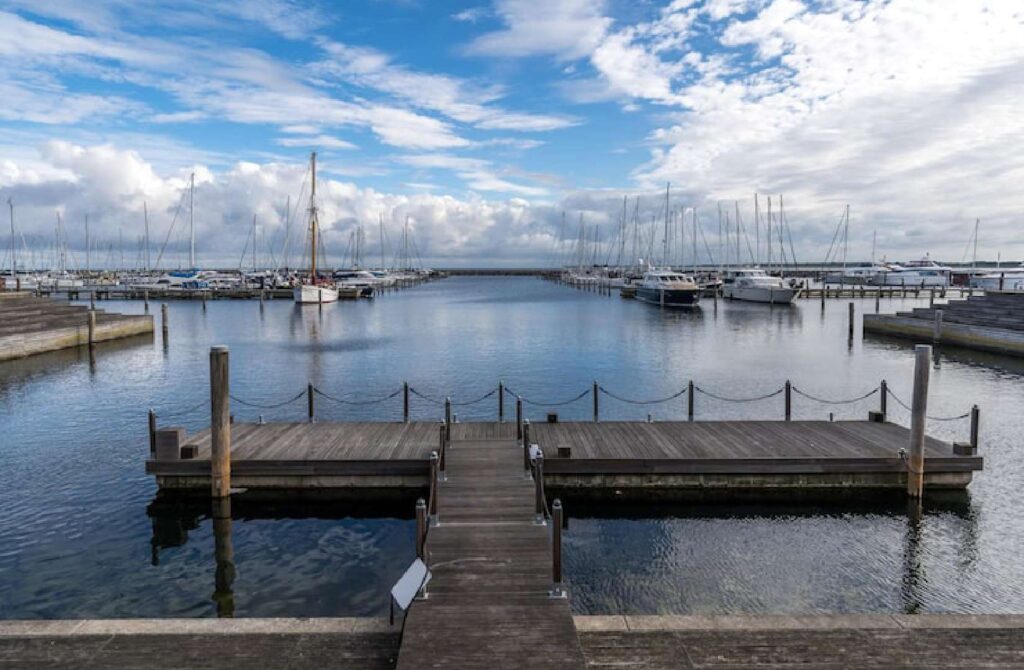
Tidal Fluctuations and Your Shoreline
It seems the tide is really high around our parts. If you have a very steep bank or a drastic amount of water change your property is subjected to, a fixed dock may be a problem around 2 AM during a large tide. If on the other hand the location is quite shallow the floating system will end up resting in mud, which will kill the floats over time. We measure the water depth at the exact property to determine which one of the above systems will last the next ten years in the salt and sun of Florida.
Durability and Lasting Maintenance
There are many things to deal with if you are living on the water, one of which is the constant upkeep that comes with living with saltwater; it is constantly eating away at everything. Fixed docks usually have issues where the water splashes against the pilings. But Floating Docks have their own needs, like checking the rollers or slides that let the dock travel up and down.
When it comes to our bolts and brackets, Dockside Mobile Boat and Lift Maintenance never uses subpar ones. We know one loose screw can destroy a whole part, especially at 90% humidity daily.
Comparing Installation Costs and Timelines
We can probably get a floating system out in the water slightly faster if we get the conditions right. They are built in modules so part of it can be built remotely and then just towed into position. Fixed docks are much more of a construction project, requiring heavy gear to hammer pilings into the floor. However, that forever feel of a fixed pier is often worth the extra cost if you plan on staying in your home for the long haul.
How Boat Lifts Integrate with Different Dock Types
A dock is usually just the starting point for your boat lift. Putting a lift onto Floating Docks requires some clever engineering. Usually a cradle system that works on its own. Fixed docks allow for the more standard four-post or top-beam lifts. Keeping your hull out of the water is the only way to stop barnacles and electrolysis in Florida.
We offer a full Boat Lift service in Cape Coral, FL, making sure the lift is perfectly dialed in for whatever dock style you pick. If they aren’t matched up right, you’ll end up with binding or structural issues pretty quickly.
Environmental Impact and Permitting
The FDEP and the Army Corps have some really strict rules about shading the seafloor. The surface area for floating systems is larger, which can sometimes lead to somewhat stricter permit processes in sensitive areas. Fixed docks also have spaces between the planks for sunlight to reach the bottom.
We handle all these messy regulations for you. We ensure every Floating Docks project stays within local codes and protects the environment while still giving you the access you need.
The Importance of Regular Structural Audits
Keeping your dock in one piece is a proactive job. We don’t sit around waiting for a board to snap or a cable to rust through. Constant check-ups are the only way to make sure the brackish water hasn’t eaten away at your safety.
- We check the piling caps and wraps to stop those wood-boring bugs.
- We dive or look under to check the braces for any signs of rust.
- We test the tension on your winch cables and make sure the bunks are straight.
- We look for leaks or cracks in the actual flotation tubs.
- We clear out gunk from the travel zones so the dock doesn’t get stuck.
A professional Boat Lift inspection is really the smartest way to catch small problems before they turn into massive repair bills.
Choosing the Right Material for Southwest Florida
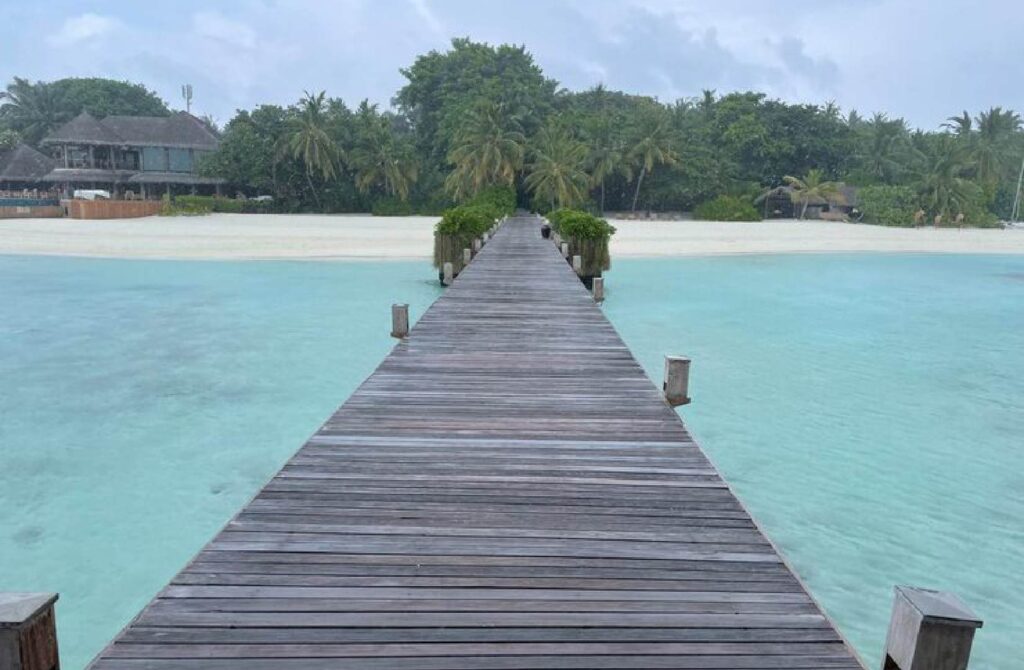
The sun here is brutal. Traditional wood looks great, but we are seeing a huge move toward composites and PVC. These don’t splinter, they don’t need staining, and they don’t burn your feet in July. For Floating Docks, using lightweight materials is key so the whole thing sits at the right level in the water.
At Dockside Mobile Boat and Lift Maintenance we always insist on the best materials for UV rays. We want your dock looking as great in ten years as it does right now.
Safety Features for Your Waterfront
Safety is a constant consideration for us from the start. We are concerned with the non-slip textures, placement of the cleats, and proper lighting. On the Floating Docks, the most critical item is the ramp since we need it to remain at a safe angle at low tide and prevent someone from falling.
We also consider your location. For example, if you’re at a high traffic spot like the Cape Coral Yacht Club you’re going to get a lot of wakes. The areas that are heavily used get our more heavy duty fendering to keep the boat from bouncing off the dock when a larger cruiser goes by.
Storm Preparedness and Resilience
When a storm rolls into the Gulf, your dock is basically the shield for your property. Fixed docks can get uplifted if the water gets high enough to push against the bottom of the boards. We often use blow-out boards that pop off to let the water through. Floating Docks are often safer because they just ride the surge up, as long as the pilings are high enough to keep them from floating away.
At Dockside Mobile Boat and Lift Maintenance, we always build for the worst-case storm. We’ve seen what happens when hardware is too small or pilings are too short for a real Florida surge.
Enhancing Your Property Value
A solid dock is one of the best ways to add value to a waterfront home. It turns a view into a place where you actually live. Most buyers in our area are looking specifically for a home that already has the bones to hold a boat. Whether it’s a fixed pier near Sirenania Park or a floating setup in a canal, quality work makes a huge difference.
We take pride in knowing our work adds real equity to your home. By using Floating Docks where they make sense and fixed piers where they are needed, we give you a custom solution that actually works.
Customizing Your View
Your Floating Docks should look like it belongs with your house. We can customize the railings, add built-in seats, or even underwater lights. For people living near the Bernice Braden Park area where the river views are huge, low-profile floating docks can keep your view clear without blocking the horizon.
Every job we do is a partnership. We want to know if you’re using the space for fishing, kayaking, or just drinking coffee at sunrise, and then we build it to fit that lifestyle.
Local Knowledge and Geographic Expertise
Working at the Waterfront Wonderland also means we must be familiar with the area where you want your lift installed. The channels adjacent to Four Mile Cove Ecological Preserve do not flow with the same current as the open water and contain varying amounts of salinity. This alters the ways in which the wood is treated and the type of metal that we can put on your lift.
We aren’t just builders; we live and boat here too. That local edge lets us recommend Floating Docks where the mud is too deep for pilings, or suggest fixed piers where the current would just toss floating docks around.
Making Your Final Choice
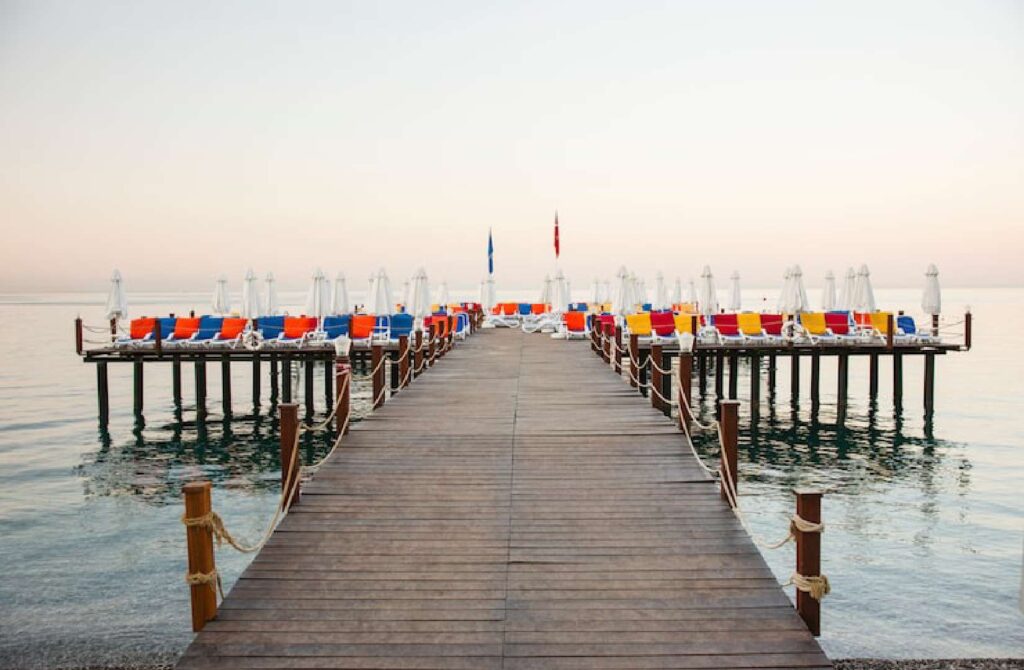
Choosing between fixed and floating really comes down to your lot, your boat, and how you like the dock to feel. If you want something that is always at the right level for your boat, Floating Docks are the winner. If you want something that feels like a solid foundation for a heavy lift, fixed is the way to go.
No matter what you pick, Dockside Mobile Boat and Lift Maintenance is here to make sure it’s done right. From that first piling to the final Boat Lift inspection in Cape Coral, FL, we treat your Floating Docks like it’s ours. We are committed to high standards and real durability. So you can just enjoy the water. For anyone living near Glover Bight, we’re the team that knows these tides best. Give us a shout to start your next project.