
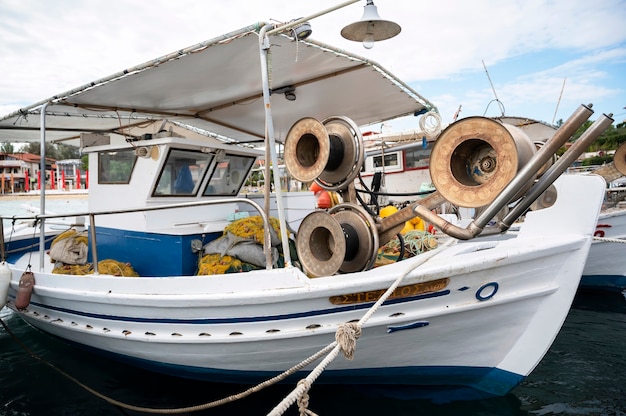
Choosing the right system for your waterfront property becomes much easier when you focus on total boat weight. Before setting up equipment on your dock, you should know how heavy your vessel actually is when prepared for a day on the water. Dockside Mobile Boat and Lift Maintenance assists boaters in evaluating their setups to protect their watercraft. Planning for proper mass helps keep your vessel stable and supports your dock equipment through every season.
Measure the Boat’s Actual Loaded Weight
Every boat owner learns early on that factory specifications only tell a small portion of the story. It contains no fuel, fresh water, emergency gear, or personal items. Before arranging a Boat Lift installation in Cape Coral, FL, taking time to figure out the real total load helps you avoid costly mechanical issues down the road.
If you place a heavy watercraft on a system that lacks sufficient strength, you risk damaging structural cables, drive motors, and support frames. You might also cause structural strain to the hull itself. Getting an accurate scale measurement or consulting with experienced technicians gives you clarity before you make any final equipment decisions for your property.
Account for Fuel and Water Tank Weight
Liquids add substantial mass to your hull in a short amount of time. Fuel tanks and fresh water storage alter overall load numbers dramatically. Our professional recommends calculating full tank capacity prior to choosing a lift model. Stored liquids place continuous stress on cradle beams and lifting straps whenever the vessel rises out of the water.
A full tank of gasoline or diesel adds a massive amount of hidden load to your watercraft. If your vessel carries large fuel tanks, that extra liquid alone can push your needs into a higher equipment class. Fresh water tanks for onboard sinks and washdown systems add even more mass, while waste holding tanks also increase the total load that your lift motors must raise during each cycle.
Include Gear and Equipment in Weight Calculations
Safety equipment, coolers, and marine electronics add up faster than most owners realize. Fishing tackle, heavy anchors, spare propellers, and extra battery banks contribute significant mass to the deck. Dockside Mobile Boat and Lift Maintenance reminds boat owners that smaller items accumulate into heavy loads over time. You should never overlook gear stored inside cabin compartments or deck lockers.
Keeping all your gear on board is convenient because your watercraft remains ready for immediate trips. However, storing those items continuously means your lifting frame supports that additional mass around the clock. Over time, extra items strain cables and bunk boards if your setup lacks proper sizing. Creating an inventory of everything stored on board helps you choose equipment that handles your real workload.
Consider Weight Changes During Regular Use
Your vessel load fluctuates throughout the boating season depending on how you use it. Extra passengers, ice chests, water sports equipment, and supplies alter total mass regularly. You can discover more about streamlined overhead options by reviewing our guide on beamless boat lifts. Smart planning keeps your equipment operating smoothly during busy holiday weekends.
Weather conditions also alter total mass in subtle ways. Heavy rainfall can gather in bilges or collect on top of boat covers, adding extra load that is easy to miss. Marine growth such as algae or barnacles along the hull can also add mass if your vessel sits in water for extended periods. Factoring in these shifting conditions ensures your lift handles changing demands without issue.
Match Lift Capacity With the Boat Weight
Your lifting system must comfortably support the combined total of the hull, full tanks, installed accessories, and stored supplies. A proper Boat Lift installation in Cape Coral, FL requires exact planning between equipment capability and total load size. Matching these details accurately protects your machinery from premature wear.
Matching capacity to your vessel requires adding together all individual load factors carefully. Start with the dry hull specification, then add the full weight of fuel, fresh water, safety gear, electronics, anchors, and personal belongings. Finding this true total figure gives you a solid foundation for selecting equipment that provides long-term reliability.
Allow Extra Capacity Beyond Boat Weight
Selecting a lift rated higher than your calculated total mass is always a smart decision. An extra safety margin absorbs unexpected load increases without putting stress on mechanical parts. Total boat weight often creeps upward as you add new accessories or onboard storage over time. Extra capacity ensures steady operation during every single lifting cycle.
Operating mechanical equipment right at its absolute limit speeds up wear on cables, drive belts, and electric motors. A safety buffer recommended by Dockside Mobile Boat and Lift Maintenance allows your motors to run with less effort and helps extend the working lifespan of the entire assembly. This extra cushion gives you peace of mind whenever you bring your watercraft back to the dock after a long day on the water.
Check the Lift Rating Against Boat Weight
Every marine system carries a rated capacity set by its manufacturer. Matching your vessel size to equipment boundaries helps prevent sudden mechanical strain. Total boat weight should never exceed the maximum rating of your hardware. Selecting properly rated equipment keeps your mechanical components operating smoothly across many years of routine use. For additional guidance, HydroHoist explains how boat lift capacity is determined based on loaded boat weight, fuel, gear, and other onboard items.
Manufacturers test lifting equipment to identify safe load boundaries for motors, pulleys, and structural beams. Exceeding those limits creates unnecessary risk for your watercraft and dock structure. Instead of selecting a setup that barely meets dry factory numbers, choosing hardware designed for your real loaded mass provides reliable service and reduces maintenance expenses over time.
Check Weight Distribution Across the Lift
Proper balance across the cradle keeps your vessel stable and upright during lifting operations. Engine placement creates uneven force across support beams that requires proper bunk alignment.
- Heavy stern engines require stronger support near the back of the lifting frame.
- Proper bunk positioning supports structural hull lines and helps prevent gelcoat stress.
- Centered placement ensures lifting cables pull with equal tension on both sides of the dock.
Spreading weight evenly across your cradle assembly is just as important as total capacity. Outboard and stern-drive motors concentrate significant mass near the rear of the vessel, leaving the bow much lighter. Verify boat and lift compatibility before installation to ensure hull shape fits your dock space properly and avoids structural strain on your waterfront setup.
Conclusion
Selecting proper equipment capacity keeps your vessel secure and easy to store throughout the year. Understanding overall vessel mass helps ensure your waterfront setup remains reliable for a long time. To help you maintain your boat, cables, and lifting equipment and get expert guidance on choosing the ideal dock setup, contact us at Dockside Mobile Boat and Lift Maintenance for professional assistance and quality service today.
FAQs
How Do Liquid Levels Impact System Sizing For Stored Vessels?
Full fuel and fresh water tanks add substantial mass beyond original factory numbers, requiring higher capacity support to prevent cable stress and motor fatigue.
Why Is Selecting Extra Capacity Recommended During Setup?
Extra capacity offers a safety buffer for added accessories, passengers, and unexpected onboard gear without placing continuous stress on the motor setup.
What Factors Cause Uneven Load Stress On Support Beams?
Heavy stern engines, off-center gear storage, and improperly adjusted hull bunks pull unevenly on cables, causing potential system wear over time.