
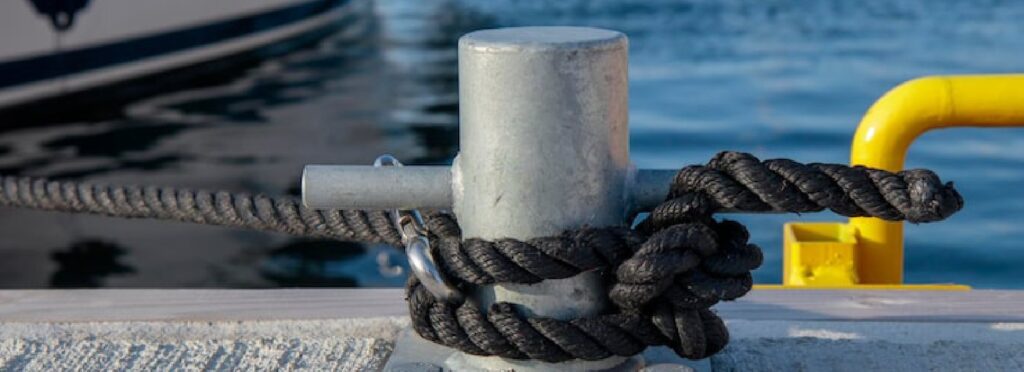
We lock our boats up and walk away, trusting a simple piece of metal to keep everything safe at the dock. This rugged hardware piece the classic Boat Cleat, silently handles the brunt of the water’s force. Many of us ignore this critical tie-off point until a massive storm rolls in and tests our setup. A weak or poorly installed dock fitting can rip right out of the wood without warning. When a cleat fails, our boat quickly becomes a floating wrecking ball, slamming into the dock.
Let us dive into choosing, placing, and mounting each Boat Cleat to keep our boats perfectly secure. Docking safely takes way more than just buying the thickest ropes you can find at the store. It really comes down to the sheer strength of the anchor points holding those ropes. Boating near Tarpon Point Marina shows us just how fast shifting tides can yank on a docked hull.
Why Your Docking Setup Needs a Reliable Anchor Point
We see boats of all sizes shifting constantly under the pressure of currents and wind. One loose fitting is all it takes to cause thousands of dollars in structural damage to both your dock and your boat. We always team up with professionals like Dockside Mobile Boat to ensure our hardware stands up to these forces. Cutting corners on dock hardware, such as choosing a cheap Boat Cleat, is a shortcut to an expensive disaster.
A tough, properly sized Boat Cleat serves as the true foundation of your entire docking safety plan. If we screw up this connection, even the absolute best Boat Lift Solutions in Cape Coral, FL cannot save a vessel that breaks loose from its slip. We have to build a setup where every cleat, rope, and lift part works together to absorb the water’s constant energy.
The Crucial Link Between Mooring Lines and Lift Safety
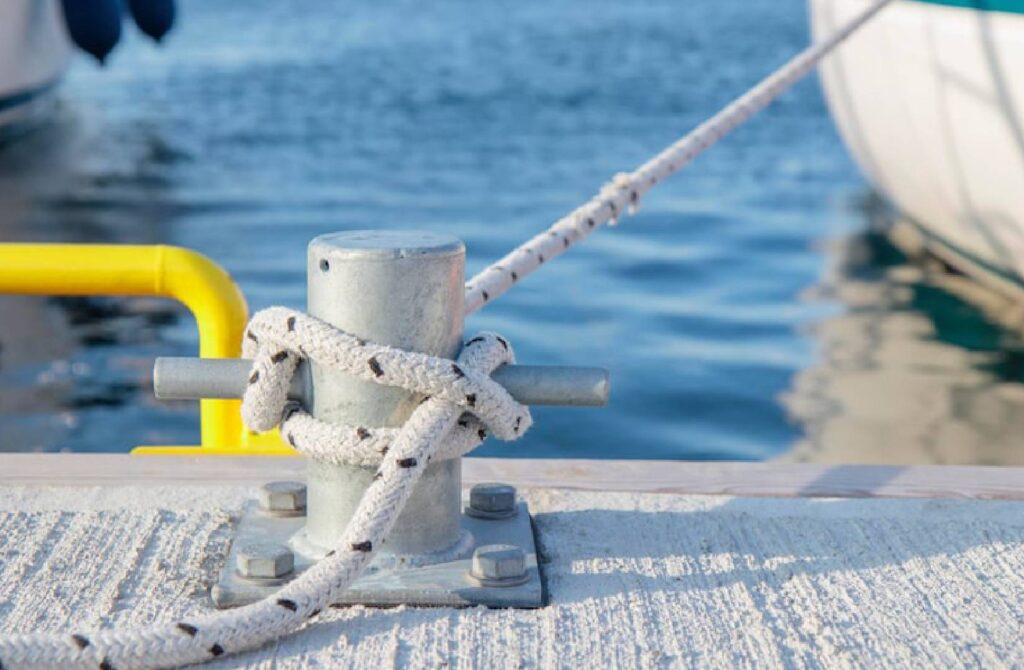
People think the boat lift and a traditional dock tying are entirely unrelated. In fact, in the case of extreme weather conditions, the lift and the dock tie complement each other perfectly in securing the boat. If you take a ride past Cape Harbour Marina, you will see how rough the wake from heavy boat traffic rocks even lifted boats. Just putting a boat up on a lift cradle does not mean we are completely safe from damage.
We still need backup tie-offs to keep the vessel from shifting off-center during high winds. These backup ropes must connect directly to a heavy-duty Boat Cleat bolted to the dock frame. If a storm winds up shifting our boat even a couple of inches on the lift bunks, the balance gets completely ruined.
Understanding Different Materials for Marine Hardware
Our marine gear has to survive a brutal environment of salt, water, and baking sun. Buying cheap hardware means we will find ourselves replacing rusted parts in just a year or two. We need materials that shrug off corrosion and handle heavy tension without bending. When anchoring near water-facing spots like Sirenia Vista Park, we need a strong Boat Cleat made of premium materials. Let’s unpack the top material you will encounter today in the dock and marine environments.
If you plan on having a serious coastal boat you need the best stainless steel marine grade does as well as anything to inhibit rust. Hot-dip galvanized steel is another great choice, not as cost-effective, but much stronger. There are people who get nylon or aluminum hardware, and although it will work, we would use those for very small watercraft only. No matter what, a top-tier Boat Cleat must have a completely smooth, polished surface so it never shreds our expensive dock lines.
How To Size Your Hardware for Maximum Holding Power
We cannot just grab any random hardware off a retail shelf and expect it to hold up. Matching the hardware size of each Boat Cleat to our boat’s weight and length is a precise task. If our tie-offs are too small, they will bend or break under heavy storm loads. If they are too massive, we will struggle to wrap our thick lines around the horns. We always consult with Dockside Mobile Boat to match our hardware perfectly to our specific vessel.
A smart rule to follow is to match our hardware directly to the thickness of our dock ropes. If our lines are too thin, they will slip right out of the hitch. If they are too thick, they will never fit through the center opening of the hardware. Getting this match right keeps our knots incredibly secure. Mounting a correctly sized Boat Cleat ensures that the massive pulling forces are spread out evenly across the dock.
Choosing the Right Fasteners
When we install hardware near delicate ecosystems like Four Mile Cove Ecological Preserve, we must use rust-proof fasteners. At Dockside Mobile Boat, we always use thick steel backing plates underneath our dock boards to distribute the weight. Just driving wood screws into the top of a deck board is a major mistake. The sheer lifting force of a wave will pull those screws right out of the wood. Make sure that all the bolts get a wide fender washer and a Nylock nut attached to them to prevent the hardware from loosening out due to vibrations once the boats are months out on the water. A stout Boat Cleat is worthless if screwed down with weak, flimsy screws.
Signs of Wear and Structural Failure in Your Cleats
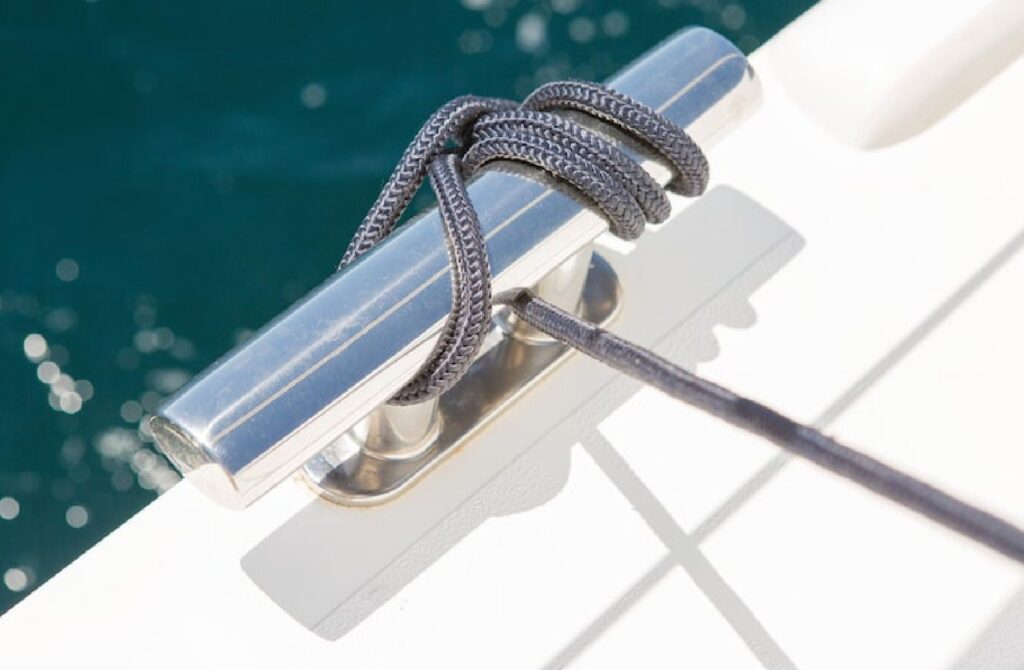
We should make it a habit to check our dock hardware at least once every month. Over time, salt water and heavy pulling forces will wear down even the highest-grade marine metals. If the wood surrounding your hardware is starting to feel spongy or has cracked, this is an immediate sign you need to make some changes. Focusing on proper Site Preparation is essential, as a top-quality Boat Cleat does no good if it isn’t properly secured to strong material. Replacing rotted boards prevents our hardware from pulling free when the wind picks up.
Common Positioning Mistakes That Jeopardize Your Vessel
Where we mount our dock hardware matters just as much as how strong the metal is. A major mistake we see dock builders make is spacing each Boat Cleat too far apart. This forces boaters to use overly long lines that stretch too much and let the boat wander. On the flip side, mounting them too close together makes it impossible to secure the bow and stern properly. We need a balanced layout that keeps our boat sitting perfectly parallel to the dock.
We also need to be certain we aren’t mounting our gear on our walkways. Trip up a cleat on a wet dock in a hurry and you can break your ankle or get a significant laceration. We want to place our hardware slightly out of the walking path while keeping it easy to reach from the boat. A poorly placed Boat Cleat can easily catch on our boat’s rub rail as the tides change. We must position them so our lines maintain safe, secure angles through every tide.
Best Knot Techniques for Secure Tie-Offs
It doesn’t matter that you have the strongest marine hardware in the canal when our knots are not strong enough. We must make sure everyone on our crew knows how to tie secure, clean hitches every time we dock. Boating past Rotary Park Environmental Center reveals plenty of vessels tied up with massive, messy tangles of rope. This looks sloppy, and it is actually highly dangerous because you cannot untie a tangled knot quickly in an emergency.
We can finish it up with a basic locking half hitch so the rope doesn’t slip loose. The rope has a very strong hold when it is under lots of pressure, but we can undo this quickly so our rope does not stay on all the time. So wrap our lines nicely around a solid Boat Cleat so they don’t snag and get out of the way while holding our boat.
How Weather and Tides Stress Your Lift and Cleats
Our coastline could easily turn from fair to nasty in a few minutes. Fast winds, torrential tropical rains and rapidly rushing waters that really test our entire dock facility to its limits. Rapid rises in water levels do occur in our area canals during severe storms as they funnel down them. Being on top of your Boat Lift Maintenance in Cape Coral, FL is critical if you’re a homeowner with property on the water due to this relentless barrage of the elements.
We should physically check our tie-off locations and our boat lift itself after any significant weather event. Check for bent bolts, hairline cracks in the metal, or splitting dock wood. Partnering with experts like Dockside Mobile Boat keeps our docking setups structurally sound. A heavy-duty Boat Cleat serves as our primary line of defense when wild weather tries to throw our boat around.
Protecting Your Marine Investment for the Long Haul
A boat is a wonderful joy, but it needs your attention at all times. Working with Dockside Mobile Boat to select proper marine hardware, like a strong Boat Cleat performing routine maintenance on your lift, and practicing a few solid docking knots will maximize your enjoyment so you can relax on the water. Small things are very big too. Don’t underestimate.
Always make sure to contact us if you do not think your dock setup is as safe as it can be. Getting expert Boat Lift services in Cape Coral, FL guarantees that your lift systems and dock hardware are ready for any storm. It costs a little but a professional-grade Boat Cleat is well worth it, as it can save us literally thousands of dollars in hull and dock repair. It’s time for us to step up and beef up our docks, protect our lifts, and continue to safely enjoy our time on the water.
FAQs
What’s the difference between open-base and closed-base cleats?
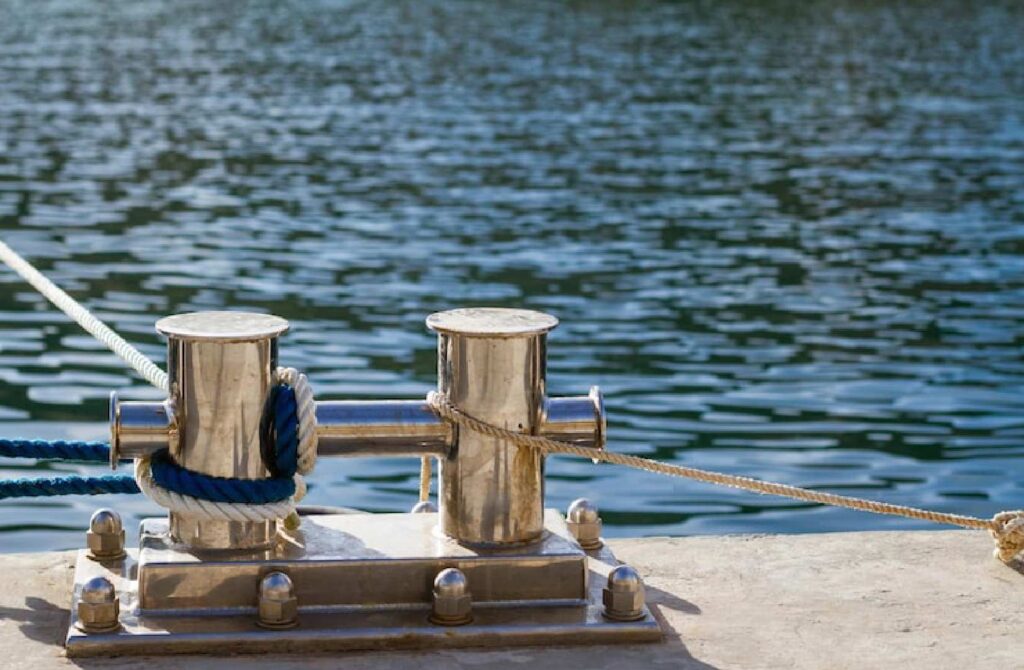
Open-base Boat Cleat designs have a loop in the center that you can run your looped dock line through the middle. Closed-base hardware is solid metal all the way down to the mounting surface, which offers maximum structural strength but slightly less tying flexibility. We typically prefer open-base options for standard docking lines and closed-base options for heavy-duty commercial ties.
How do we prevent dissimilar metal corrosion on our dock hardware?
We must always use mounting bolts made of the same metal as our dock hardware. So, if you install a stainless steel Boat Cleat, you must use matching stainless steel bolts. If you use different materials together such as steel and aluminum in a saltwater environment, it will turn your connection into a battery and very quickly deteriorate it to the point of damaging your tie-offs.
Is tying up to a dock cleat that has other lines tied to it a safe practice?
We should avoid tying more than two lines to a single Boat Cleat tie-off point. Tying too many ropes together crowds the hardware and makes it incredibly difficult to tie a proper locking hitch. If you must use one hardware point for two lines, ensure the first line is secured at the bottom while the second line wraps cleanly on top without overlapping.