
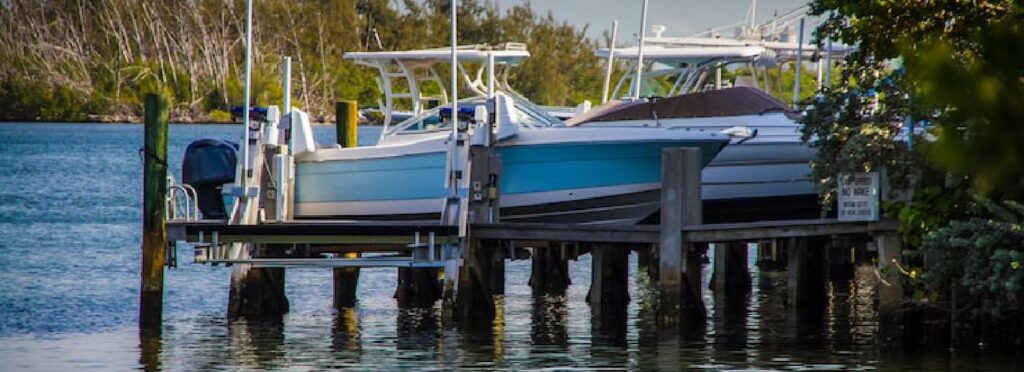
When a boat is used to lift at a shallow shoreline each boat owner is faced with specific mechanical issues. Without regular observation, it’s easy to damage your vessel or your lifting equipment with low tides and changing sandbars. At Dockside Mobile Boat and Lift Maintenance, we know how important it is to make sure local boaters are keeping their boats safe and secure, and we can help them do just that with regular safety checks. With a dock in Shallow Water, there can be a lot of little mistakes that can easily become costly fixes. Knowing what water depth to use with your lift parts helps you to keep your boat in safe waters all year long. A comprehensive evaluation will ensure that you don’t have any surprises, and that your system performs well with ever-changing coastal tides.
Challenges Of Operating A Boat Lift In Shallow Water
Near the low-tide canals boat owners have to deal with constant fluctuations in water levels all year round. Running equipment in Shallow Water decreases the amount of space that there is to work with when loading or unloading your vessel. With time, mud and sand can build up directly under the lift cradle. This accumulation causes the cradle to not lower sufficiently to allow your boat to easily slip off. Placing the boat on a partially submerged cradle may cause damage to the hull. The lift cables may also lose tension and tangle on the cradle on the seabed when the cradle is lifted too early.
Water Depth and Boat Lift Performance & Stability
The shallower the water is, the more weight your lift will have to bear. If your water level decreases, your boat will be out of the water for extended periods of time. The continuous load means that the pilings and crossbeams are continuously under stress. The surrounding seabed also has a higher tendency to move in narrow and shallow water channels. When soft sediment is found at the bottom of the pilings, the strength of the pilings is decreased. This instability over time leads to a sloping or settling of the whole lift frame.
What Professionals Will Be Checking
An annual Boat Lift inspection in Cape Coral, FL can detect any mechanical problems that may be going on and prevent equipment failure. The first step in the process is for a technician to check the steel cables for fraying, kinks and unevenly wound cables. Then they examine electric motors and gearboxes for smoothness under full load. The inspector will also inspect all bunks and guide posts to make sure that they will support your hull well. They test the lift stops at the correct height every time by testing the limit switches.
Determination of Clearance Problems with Shallow Water Lift Systems
If your boat propeller and hull are properly cleared, they will not contact the bottom during low tide. This distance from the lowest point on the cradle to the sea floor will be taken at an evaluation. They will also look for hidden hazards underwater including fallen trees and sand bars. Dockside Mobile Boat and Lift Maintenance checks to make sure the cradle is set deep enough for easy access and exit. If it’s not big enough, it will lead to running your motor in thick mud. Early detection of these areas will help prevent expensive engine lower unit damage.
Identify Structural Wear And Mechanical Issues.
In marine conditions, all metal and electrical parts of your lift will deteriorate more quickly. Technicians inspect the pulleys for worn bushings and closely inspect the aluminum beams for cracks. Understanding saltwater corrosion of metal parts is another important aspect of assuring your lift’s safety. Lower cradle parts remain in proximity to abrasive sand and still water debris in Shallow Water. This tough environment accelerates rust and mechanical wear and tear on moving components. You want to catch a worn bearing or rusted bolt early on so that you maintain a smooth running system.
To Perform A Check On Support Conditions In Low Water Levels
If the lift is not level, it introduces unequal distribution of lift forces on the boat hull and lifting cables. A Boat Lift inspection in Cape Coral, FL guarantees you that your frame will not go crooked. Specialized levels are used by technicians to check and ensure that both sides of the cradle are moving at the same rate. They also check the water line of pilings for shifting or marine borer damage. Dockside Mobile Boat and Lift Maintenance inspects all brackets and bolts to make sure they are tight on the support structure. Balanced support will help to prevent the docks from twisting and help to prolong the life of your entire dock setup.
The importance of good weight distribution in a boat lift operation.
Proper positioning of the boat on the lift bunks is essential for the safe operation of the boat each day. If the bow or stern is too far out from the cradle, the weight will not be supported at the same level on both sets of cables. Technicians demonstrate how to balance your boat’s center of gravity with the main lift beams. The cradle will not tilt when it is rising out of the water because of proper positioning. It’s important to drain water and heavy equipment out of the bilge area before pulling the boat out of the water, too. Good distribution of weight also means that your motors are not overloaded, and that your cable will not show signs of deterioration.
Make boat lift adjustments when conditions are shallow.
In some cases, the changes in waterways will necessitate changes in your existing lift setup, which will need to be physical changes. When in Shallow Water, you may want to choose the optimum height of your bunk or cable length to maximize the available space in the water. A boat technician may suggest cradles that will not require much clearance for your boat to float. If you are not sure if your existing equipment can accommodate your canal, a Dockside Mobile Boat and Lift Maintenance can help you decide. Time is money and adjustment makes the boat available in extreme winter low tides as well. By doing regular maintenance, you can make sure that your lift will adjust to the changes that you will make in your waterfront situation.
Conclusion
A safe boat lift requires regular maintenance on mechanical components as well as changing water depths. Regularly checking the condition of the cables, their alignment, and clearance can prevent damage to your boat. You can prevent big issues by resolving small issues on the front lines and safeguarding your boat and dock gear. Contact us now and get your boat lift inspected.
Frequently Asked Questions
How often do I need to have a professional checkup performed on my boat lift?
It is recommended to have a technician service your boat lift once a year. When operating your lift in severe marine environments, a check every six months will better protect your lift.
If my lift cradle hits the bottom of the sea while lowering, what will happen?
The lifting cables will loosen when the cradle comes in contact with the bottom of the cradle and may unravel unevenly on the winder drum. This “slack” can result in twisted cables that break and/or become jammed the next time you lift your boat.
Can I adjust the boat lift bunks myself to get more water clearance?
To perform lift bunk adjustments, the cradle must be supported securely, and the adjustment must be made correctly for the particular hull shape. A trained technician can ensure that your boat weight is supported properly and that the bunks are level.