
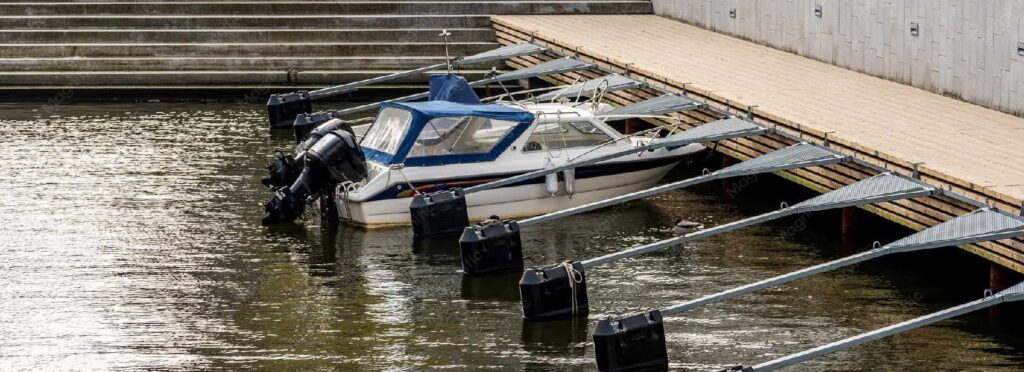
Storing your watercraft the right way is not something you figure out after something goes wrong. By then, the hull has already taken damage, the corrosion has already started, or the lift has already failed during a storm. If you are sitting in Cape Coral, FL right now trying to decide between a Jet Ski Lift and a boat lift, this breakdown is written specifically for you. Boat lifts Cape Coral FL property owners use vary a lot in type, cost, and purpose. Understanding the real differences before you spend money is the smartest thing you can do for your watercraft and your wallet.
What a Jet Ski Lift Actually Does For Your PWC
You undoubtedly know what a Jet Ski Lift is and does, it takes your watercraft out of the water when it isn’t in use. Seems simple enough, yet this one task is bigger than you might think. Saltwater does not take breaks. It works on your hull, your engine components, and any exposed metal twenty-four hours a day. The moment you pull your PWC out of the water after a ride and leave it floating at the dock, that damage clock keeps ticking.
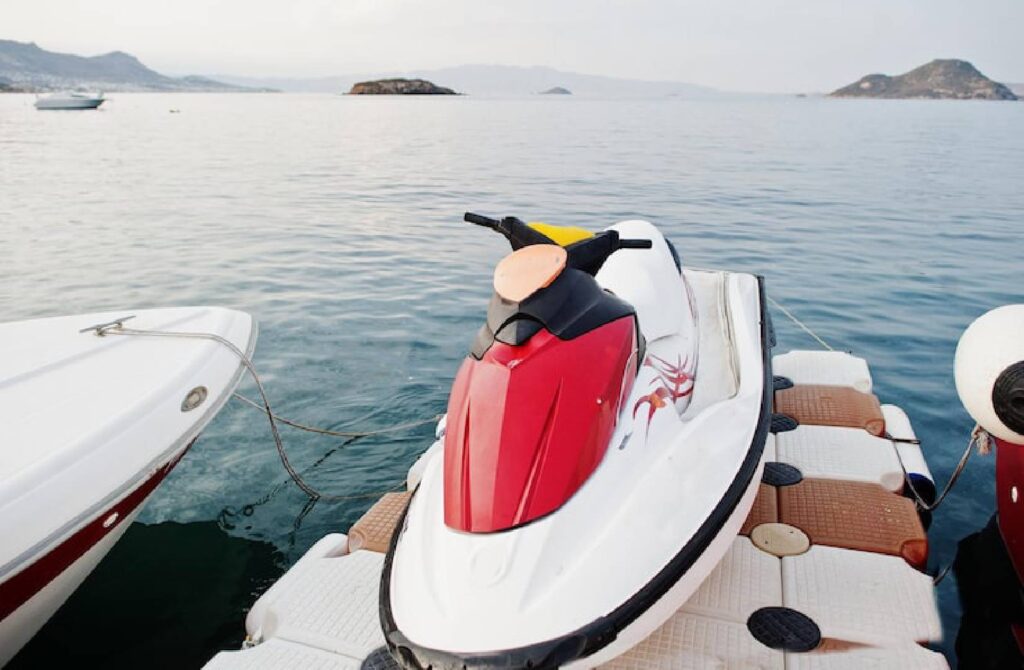
Most Jet Ski Lift designs use a drive-on cradle. You ride the PWC onto the cradle, cut the engine, and the lift raises it above the waterline. No remotes needed in most cases. No complicated wiring. Waterfront homeowners along Tarpon Point and throughout the Cape Coral canal system use this setup because it works and it does not require a contractor every time something needs adjusting.
The hardware quality matters a lot here. If your Jet Ski Lift is made from cheaper quality metal used in a saltwater setting like the one found in Matlacha Pass it will begin to corrode within one or two seasons. A small additional expense for marine-quality metal saves you big time down the road.
Breaking Down How Boat Lifts Work
Boat lifts are built to handle weight. Real weight. A center console, a pontoon, a cabin cruiser sitting at a dock along the Caloosahatchee River or the Spreader Canal needs full hull protection, and a standard floating dock simply cannot provide that.
The lift uses a cable and bunk system powered by an electric motor. When you want to store the vessel, the motor lowers the bunks into the water, you float the boat onto them, and the motor raises everything until the hull clears the waterline. When done right, the boat sits completely dry. No barnacle growth. No blistering on the fiberglass. No waterline staining that drops resale value.
The trade with boat lifts is complex. More parts mean more things that eventually need service. The cables stretch and fray. The bunk pads compress and crack. The motor runs hot if it is undersized for the load. These are not defects; they are just how mechanical systems behave when they work hard in a brutal environment like Southwest Florida. The solution is not avoiding boat lifts; it is staying on top of service.
Jet Ski Lift vs Boat Lift
Comparing these two lift types side by side makes the decision a lot clearer.
A Jet Ski Lift wins on cost. Installation usually falls between one thousand and thirty-five hundred dollars depending on the model and the dock configuration. Maintenance is straightforward. Rinse the hardware after saltwater use, check the cradle brackets every few months, look for UV damage on any straps or bunks, and you are mostly covered. Most PWC owners handle this themselves without calling anyone.
A boat lift wins on protection. If your vessel weighs more than a couple of thousand pounds, a Jet Ski Lift is not even in the conversation. A boat lift appropriately sized for the weight of your boat ensures your hull is completely out of the water. This is the only long-term way to protect your fiberglass and hull in Cape Coral waters.
The real mistake people make is buying the wrong type for cheap. You spent money on the entire boat lift and mounted it to a skinny dock when all you own is a PWC; what a waste. A boat owner who skips the lift entirely because a Jet Ski Lift looked close enough will pay for it in hull repairs.
Maintenance Reality For Both Lift Types
Boat Lift Repair in Cape Coral, FL comes up more often than boat owners expect, and the reason is almost always the same. Someone skipped the inspection, ignored a small noise from the motor, or noticed a frayed cable and figured it had a little more life left. Then the lift fails. Sometimes at the worst possible time, like right before a named storm moves through the Gulf.
Cables on boat lifts take a beating. They are under load every single time the lift operates, and saltwater accelerates the breakdown of the metal strands. A cable that looks fine to the eye can already be structurally compromised on the inside. The only way to know is to have someone qualified look at it up close, not from the dock.
Bunk pads are another one that gets overlooked. When the foam inside compresses unevenly, the hull does not sit level on the lift. Over time that creates stress points on the hull that can lead to cracking or delamination. Replacing bunk pads before they reach that stage is cheap. Fixing hull damage is not.
For a Jet Ski Lift, the maintenance bar is lower but it still exists. UV damage to drive-on straps happens fast in Southwest Florida’s sun. Check them regularly. Clean the hardware after each time the PWC leaves saltwater. Check the cradle frame for rust, particularly if the lift is in a brackish canal rather than fresh water.
Factors That Determine Which Lift You Actually Need
Getting this right comes down to answering a few honest questions about your situation:
- What is the actual dry weight of your vessel? This number decides everything else.
- How deep is the water at your dock? Some lift designs require a minimum depth to function.
- How often do you use the watercraft? Daily riders benefit from the simplicity of a Jet Ski Lift. Less frequent users may prioritize hull protection from a full boat lift.
- What is the structural condition of your dock? Older docks sometimes need reinforcement before a heavy boat lift can be installed safely.
- Does your community in Cape Coral have HOA rules about lift height or appearance? Many waterfront neighborhoods do.
By answering these questions honestly before you shop, you will actually save yourself more money and much heartache.
Why Waterways Create Specific Challenges
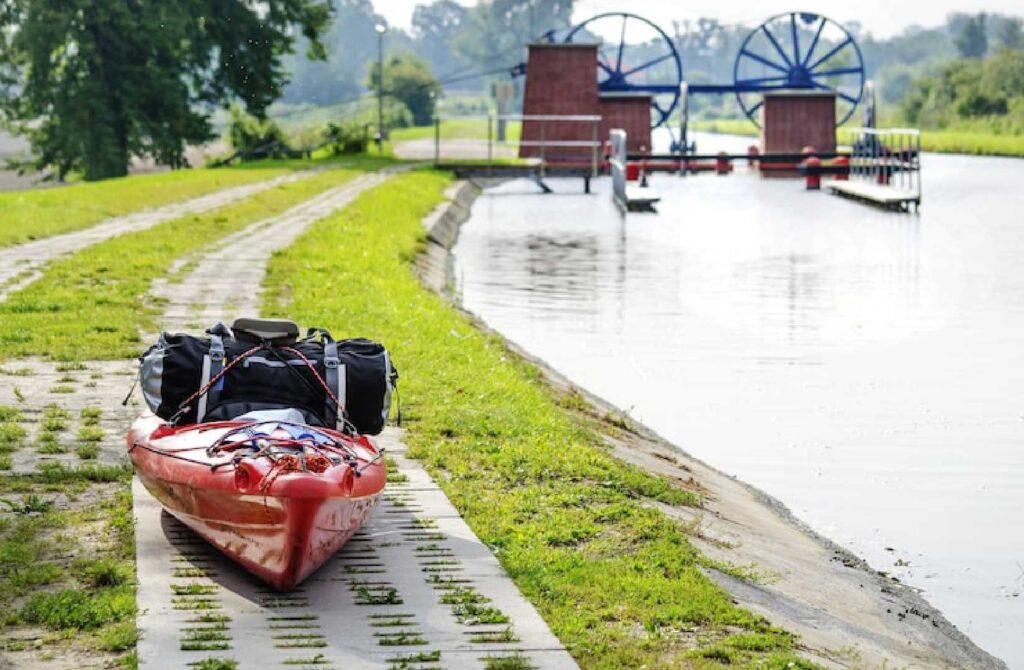
Cape Coral boasts more than 400 miles of canals. That is not a slogan; that is a fact, a fact that will impact how any lift system operates and the lifespan it will provide. Canals near Pine Island Sound carry significant saltwater intrusion. Areas connected directly to the Gulf of Mexico have tidal movement that puts constant stress on mounting hardware and cable systems.
A Jet Ski Lift or boat lift that performs well in a freshwater lake in a different state may fail faster than expected here. The corrosion rate in Cape Coral’s brackish canals is higher. UV exposure from the Southwest Florida sun is more intense than most manufacturers test for in standard conditions. These are real factors that affect real lifts sitting in real water right now.
This is why working with people who know this specific environment matters. Generic advice from a big box retailer or an out-of-state manufacturer does not account for what a Cape Coral waterway actually does to lift hardware over two or three seasons.
What Dockside Mobile Boat and Lift Maintenance Has Seen
The team at Dockside Mobile Boat and Lift Maintenance works on both lift types across Cape Coral and the surrounding areas regularly. The pattern is consistent. Lifts that get regular attention last significantly longer and cost owners far less over time than lifts that only get looked at when something breaks.
A Jet Ski Lift installed with proper marine-grade hardware and rinsed consistently after saltwater use holds up well even in aggressive canal environments. A boat lift serviced on a reasonable schedule, with cables replaced before they fail and bunk pads swapped when they show wear, rarely becomes an emergency.
Dockside Mobile Boat and Lift Maintenance brings the service directly to your dock. No marina scheduling conflicts, no trailering equipment across town, no waiting for a shop opening. The inspection happens where the lift actually lives, which is the only place where you can see what the lift is dealing with every day.
Real Costs You Need to Budget For
Here is what these systems actually cost when you factor in everything:
- A well-made Jet Ski Lift, with marine-grade hardware, can be somewhere in the area of one thousand to thirty-five hundred dollars installed.
- A mid-range boat lift rated for vessels up to ten thousand pounds typically costs between thousands of dollars installed.
- Larger capacity lifts for heavy vessels can go well past twenty thousand dollars when pilings and boat electrical work are included.
- Annual upkeep on a Jet Ski Lift usually stays under a few hundred dollars
- Annual service on a powered boat lift, including cable checks and motor inspection, runs anywhere from five hundred to fifteen hundred dollars depending on condition
Emergency repairs from ignored maintenance always cost more than scheduled service. That math does not change regardless of which lift you own.
Making the Right Call Before the Next Season
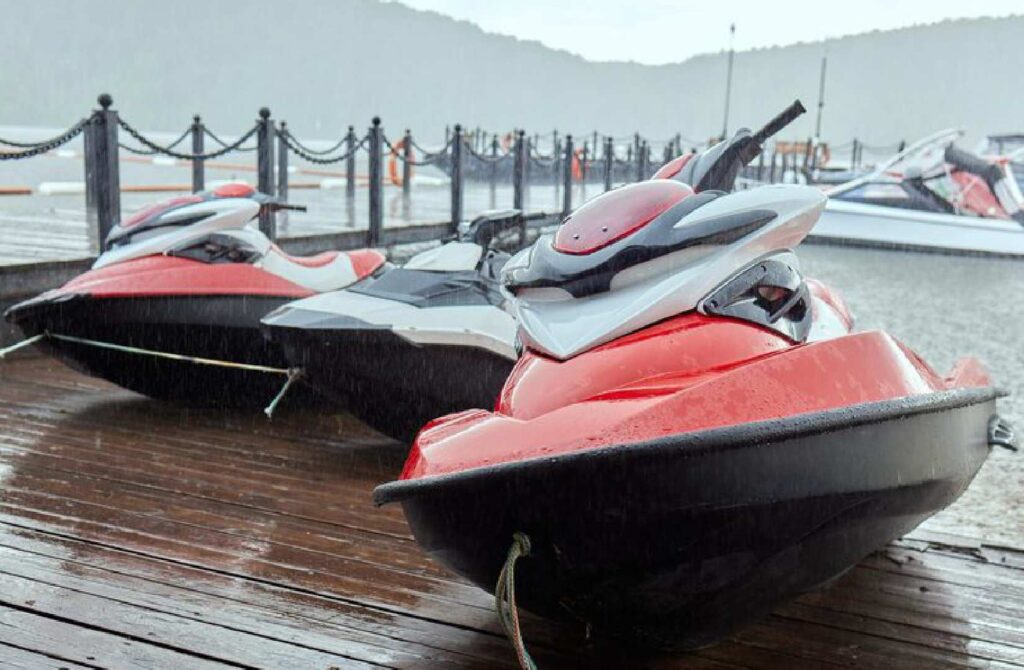
Neither lift type is universally better. A Jet Ski Lift is the right answer for PWC owners who want practical, low-maintenance storage that keeps their watercraft out of the water between rides. A boat lift is the right answer for anyone with a vessel heavy enough that a smaller lift simply cannot support it.
What both systems share is the need for scheduled professional attention. Skipping inspections is where the real costs come from. A Boat Lift inspection in Cape Coral, FL done annually by Dockside Mobile Boat and Lift Maintenance catches problems at the stage where they are still cheap to fix. Residents depend on performing at their best when they are treated as mechanical systems that need consistent care, not set-and-forget installations.